All posts by petprofessionals

Spring dangers


Spring dangers for pets: what every pet owner should watch for this season

Spring is a relief for most of us: longer days, warmer walks, open windows, and more time outside. But for pets, spring also brings seasonal risks. The good news is that most spring hazards are preventable once you know what to look for. Here are the biggest spring dangers for pets and simple steps you can take to keep your dog or cat safe.

1) Fleas and ticks

As temperatures rise, parasites become active again. Fleas and ticks can cause intense itching and transmit diseases.

What to do:

  •  Keep your pet on vet-recommended parasite prevention treatment consistently.
  • Always check dogs for ticks after walks, especially around their ears, neck, armpits, and between toes.
  • Don’t assume indoor pets are safe: fleas can hitchhike on clothing and other animals.

2) Seasonal allergies

Spring pollens can trigger allergies in susceptible dogs and cats, but symptoms often look different from how they are seen in people. Many pets show allergies through:

  • Itchy skin
  • Paw licking
  • Regular ear infections
  • Red eyes

If you notice ongoing itching or ear issues, talk to your vet early; waiting usually makes allergies harder to manage.

3) Toxic spring plants and flowers

Spring bouquets and planting can introduce toxic plants into your home and garden. Some of the most dangerous include:

  • Lilies are especially dangerous for cats (even small exposures can cause kidney failure)
  • Tulips and daffodils (bulbs are particularly toxic)
  • Azaleas/rhododendrons

What to do:

  • Research plants before bringing them home.
  • Keep bouquets out of reach and clean up fallen petals.

If you suspect your pet chewed a plant, don’t “wait and see”. Call your vet or a pet poison helpline immediately.

4) Fertilisers, weed killers, and pesticides

Spring garden care is a major source of pet poisoning. Many fertilisers are irritating or toxic if ingested. Weed killers and pesticides can cause drooling, vomiting, tremors, or worse, depending on the product and exposure level.

What to do:

  • Store lawn and garden products in locked cabinets.
  • Keep pets off treated areas for the exact time recommended on the label (often longer than you’d expect).
  • Consider pet-safe alternatives when possible.

5) Open windows and balconies

Fresh air is great, until it’s not. Spring often means open windows and balcony doors, which increases the risk of falls, especially for cats (and indoor cats can be surprisingly fast and curious).

What to do:

  • Use secure window screens (and don’t assume they’re pet-proof).
  • Keep balcony access supervised.
  • Use nets on balconies and windows for extra safety.

6) Chocolate, xylitol, hot cross buns and leftovers

Outdoor gatherings bring new food hazards, such as:

  • Chocolate, which is toxic for pets.
  • Hot cross buns, which contain raisins; an ingredient that’s highly toxic even in small amounts.
  • Sweet foods containing xylitol (also called birch sugar), found in some sugar-free gum, sweets, and baked goods; it can cause rapid drops in blood sugar and liver damage in dogs.
  • Fatty leftovers can all cause serious problems.

Make sure you keep foods and rubbish out of reach from pets.

7) Bee stings and insect bites

More insects mean more stings. Most pets recover from minor stings, but some have severe allergic reactions, and stings inside the mouth (from snapping at bees) can cause dangerous swelling.

If your pet is stung, monitor for signs of:

  • Swelling in the affected area
  • Hives
  • Vomiting
  • Weakness
  • Difficulty breathing

Call your vet for guidance; don’t give human medications unless a veterinarian specifically instructs you.

8) Increased outdoor time means increased escape risk

Spring means more door openings, more visitors, and more time in gardens. Pets that were calm indoors all winter can get bold when they smell new scents outside.

What to do:

  • Check collars/harnesses for fit (pets often slim down or fluff up seasonally).
  • Make sure ID tags are current, and microchip info is up to date.
  • Practise recall and leash skills before heading to busy parks.

Spring should be a season of fun, not emergency vet visits. A few precautions now can keep your pet safer, healthier, and ready to enjoy the best parts of the season right alongside you.
How to keep your pets safe this Easter

Easter is a special time of year, when homes fill with family meals and excited visitors. For pet owners, though, it is also a time to be extra cautious, since many of the things we associate with Easter can pose real risks to dogs and cats.

Pets are naturally curious, exploring with their noses, mouths, and paws, often getting into things before we realise there is a problem.

However, most Easter dangers are easily preventable. By knowing what to watch out for and taking a few simple precautions, you can help keep your pet safe and enjoy the season with peace of mind.


Chocolate

Chocolate is one of the biggest Easter dangers for pets, especially for dogs.

Chocolate contains theobromine and caffeine, which are toxic to pets. Dark chocolate and cocoa powder are especially dangerous because they contain higher amounts of theobromine, but other chocolates can also be harmful. Dogs are the most frequent culprits because they are often willing to eat large amounts if given the chance, wrappers and all.

Signs of chocolate poisoning may include:

  •  Vomiting
  • Diarrhoea
  • Restlessness
  • Panting
  • Increased thirst
  • Increased heart rate
  • Tremors
  • And, in severe cases, seizures

Make sure you keep all chocolates well out of reach, remind children not to share treats with pets, and check tables, bags, and Easter baskets carefully. If your pet eats chocolate, contact your veterinary team immediately.


Hot cross buns and dried fruit dangers

Hot cross buns are another Easter favourite that can be dangerous, particularly for dogs. Many contain raisins, sultanas, or currants, all of which are toxic to dogs, as they can cause serious kidney damage.

Even small amounts of dried fruits may be enough to make a dog very unwell. Some dogs show symptoms quickly, while others may seem normal at first before becoming lethargic, vomiting, or losing appetite.

Because there is no reliable way to predict how severely a dog will react, if you suspect your dog has eaten raisins, or foods containing them, get in touch with your vet right away.


Easter meals and table scraps

Family meals are a big part of the Easter celebration, but rich foods are not suitable for pets. Fatty leftovers, cooked bones, gravy, onions, garlic, and heavily seasoned dishes can all cause problems.

Fatty foods may trigger:

  • Vomiting
  • Diarrhoea
  • Pancreatitis, a painful and potentially serious condition
  • Cooked bones can splinter and cause:
  • Choking
  • Mouth injuries
  • Damage to the stomach and intestines

Foods containing onions, garlic, or certain herbs can also be toxic.


Easter decorations that pets may swallow

Decorations can also be risky, especially for playful or curious pets. Foil wrappers, ribbon, twine, plastic grass, small toys, and bits of packaging can all be tempting to chew or swallow.

These items may cause choking or create intestinal blockages, which can become life-threatening and may require surgery. Cats are especially attracted to string-like objects, such as ribbon, which can be dangerous if swallowed.

Try to keep decorative items simple and pet-safe.


Spring flowers and seasonal plants

Flowers may brighten the home at Easter, but some popular seasonal plants can be harmful to pets:

  •  Lilies are a major concern for cat owners, as even a very small exposure can be extremely dangerous.
  • Pollen, leaves and petals are also a risk for pets.
  • Other spring plants and bulbs can also cause issues if chewed or dug up.

Depending on the plant, signs may range from mild stomach upset to drooling, lethargy, and more serious illness.

If you are bringing flowers into the house, always check that they’re pet-friendly.


Stress, visitors, and disrupted routines

Easter is not just about food and decorations, it’s also a busy and noisy time, which may be stressful for some pets due to extra visitors, routine changes, unfamiliar scents, and more activity in the home.

Some pets become anxious and hide, while others may become overstimulated and try to escape through an open door or gate.

Make sure you give your pet access to a quiet, safe space with fresh water, their usual food, and toys as somewhere they can retreat to, if needed.


What to do if you think your pet has eaten something dangerous

If you suspect your pet has eaten chocolate, raisins, decorations, or any other unsafe item, act quickly. Do not wait for symptoms to appear as, in many cases, early treatment makes a significant difference.

Get in touch with your veterinarian as soon as possible and be ready to share what your pet ate, how much they ate, and when it happened. If possible, keep the packaging, as this can help identify the ingredients.


A safer Easter for the whole family

Easter should be a happy occasion for every member of the family, including pets. A little preparation goes a long way.

Keeping chocolate and baked goods out of reach, avoiding toxic foods, choosing pet-safe flowers, tidying decorations, and protecting your pet’s routine can help prevent unnecessary emergencies.

Keep your pet safe this Valentine’s Day

Valentine’s Day is all about sweet gestures: flowers on the table, chocolates on the counter, candles flickering in the background. But if you share your home with a curious cat or an enthusiastic dog, the same things that feel romantic to us can be surprisingly risky for them. A little planning can keep the day cosy, fun, and safe for everyone.

The sneaky dangers hiding in Valentine’s traditions


Chocolate: a classic gift, a classic hazard

Chocolate contains substances (theobromine and caffeine) that pets can’t handle well. Dark chocolate and baking chocolate are especially concentrated, but any chocolate can be a problem, and small pets are at higher risk from smaller amounts. Keep boxes, wrappers, and half-finished desserts out of reach, and remember: dogs are expert counter-surfers, and cats can be surprisingly determined when a smell interests them.

If you suspect your pet ate chocolate, don’t “wait and see.” Call your veterinarian right away.


Sweets: not-so-sweet ingredients

Many sugar-free sweets contain xylitol (sometimes labelled “birch sugar”), which can cause dangerous drops in blood sugar and liver injury in dogs. Even a few pieces of gum can be an emergency. Hard sweets can also be choking hazards, and wrappers can cause intestinal blockages if swallowed.


Flowers and plants: pretty doesn’t mean pet-friendly

Fresh bouquets brighten the room, but some popular Valentine’s plants can be toxic. Lilies are especially dangerous for cats; even small amounts of pollen can lead to severe kidney injury. Other common bouquet additions (like certain types of greenery) can also cause stomach upset or worse.

If you’re sending or receiving flowers, a pet-safe approach is to choose non-toxic blooms and place arrangements somewhere your pet truly can’t access: high, stable, and preferably in a closed room. Also: sweep or wipe away fallen petals and pollen.


Candles, essential oils, and diffusers: ambience with a catch

Open flames and wagging tails aren’t the best pairing. A curious cat can knock over a candle in seconds, and some essential oils can irritate pets or be harmful if inhaled or licked, especially with concentrated diffusers. If you love the vibe, consider flameless LED candles and good ventilation instead.


Romantic dinners: the “just a bite” trap

Valentine’s meals often include foods that don’t mix with pets: garlic and onions, fatty leftovers, bones, grapes/raisins, alcohol, and rich sauces. Even if a food isn’t toxic, a sudden fatty treat can trigger stomach upset or pancreatitis in some dogs.

Make it easy on yourself: set aside a pet-safe treat or a portion of their regular food in a fun puzzle toy so they still feel included.


Simple ways to pet-proof your Valentine’s Day

  •  Create a “no-access” zone for gifts and food: a closed bedroom, pantry shelf, or high cabinet.
  • Secure the trash: use a lidded bin or keep it behind a closed door.
  • Choose pet-safe gifts if you’re shopping for someone with animals: toys, treats made for pets, or a cosy blanket.
  • Plan your date night with your pet in mind: if you’re leaving the house, give them exercise beforehand and provide enrichment, such as a lick mat, snuffle mat, or puzzle feeder.
  • Watch for dropped items: a single chocolate truffle, a fallen grape, or a pill can disappear quickly.

Signs your pet needs urgent help

Call your vet or an emergency clinic if you notice:

  • Repeated vomiting or diarrhoea
  • Restlessness, rapid breathing, tremors, or seizures
  • Extreme tiredness, weakness, or collapse
  • Drooling, pawing at the mouth, or trouble swallowing
  • A swollen belly or signs of pain

A safer Valentine’s is still a romantic one.

The best Valentine’s memories come from feeling relaxed and present, not from racing to the emergency vet at midnight. With a few small adjustments, you can keep the flowers blooming, the desserts delicious, and your pet happily snoozing nearby.

After all, love means looking out for the ones who rely on you, even when they’re the type to steal a chocolate off the coffee table the second you turn your back.

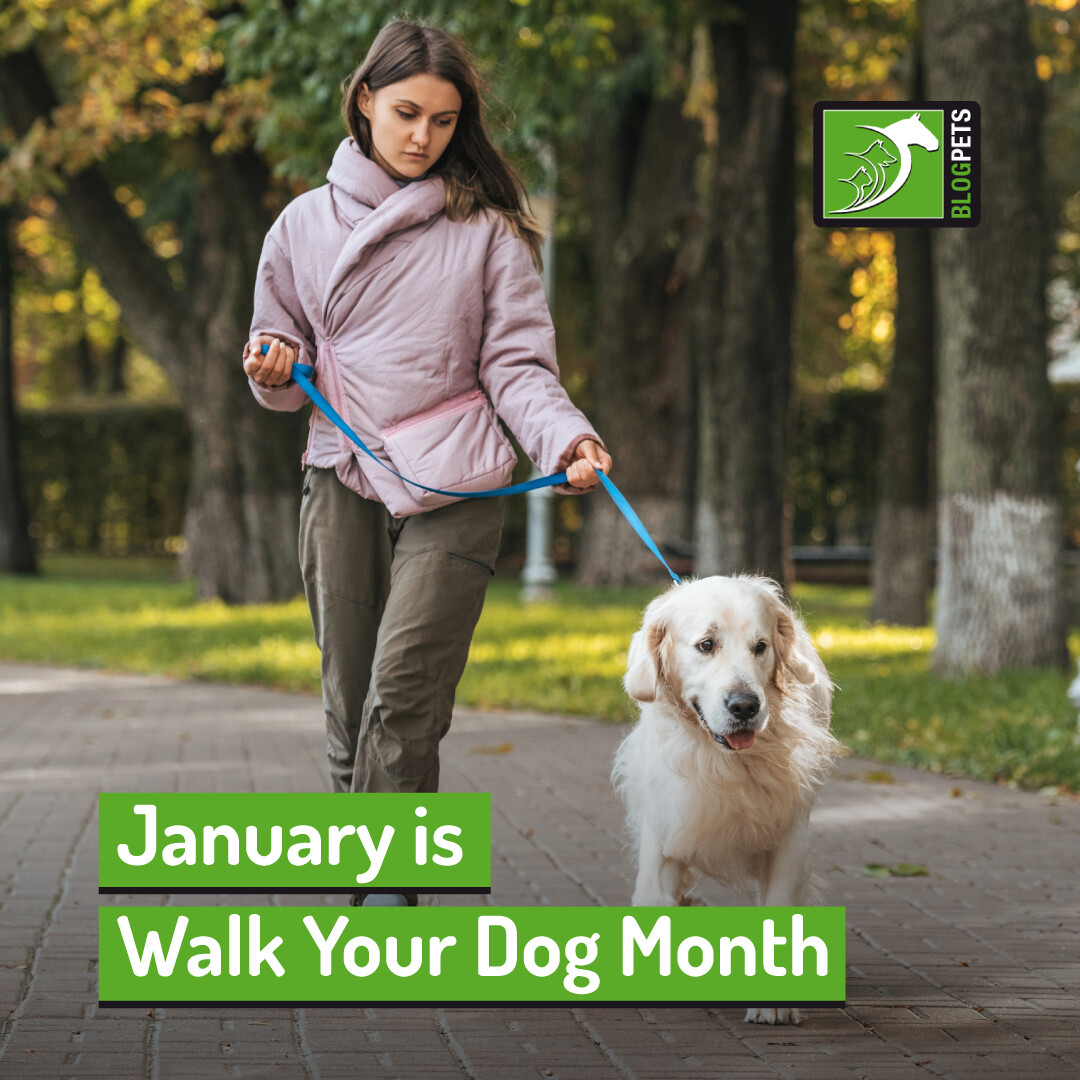
January is Walk Your Dog Month

As the festive lights come down and the days feel a bit grey, January can seem like a slog. But for dog owners, it’s also ‘Walk Your Dog Month’, which is the perfect excuse to dust off the lead and turn those winter walks into something that you and your dog actually enjoy.

This is a great opportunity to reset your routine, boost your dog’s physical and mental wellbeing and get some fresh air for yourself as well. Here’s how to make January walks safer, more fun and rewarding for your pet.

Why winter walks matter

It’s easy to cut walks short in winter. It’s cold, it’s wet, it gets dark earlier… and the sofa is calling you! But regular walks are essential for your dog’s:

  • Physical health: Keeping your dog moving helps maintain a healthy weight, supports joints and muscles, and reduces the risk of obesity-related health problems.
  • Mental stimulation: New smells, sights and sounds turn the world into your dog’s personal puzzle game.
  • Behaviour and training: Dogs that don’t get enough exercise and stimulation are more likely to develop unwanted behaviours like chewing, barking and hyperactivity.

Walk Your Dog Month can be beneficial for your wellbeing too. A 20 to 30-minute walk can boost your mood and help reduce stress.

How to stay safe in dark and cold days

January is all about mud, drizzle and early sunsets, so a little prep goes a long way:

  • Use a reflective or LED collar/lead/harness so drivers and cyclists can easily spot your dog.
  • Wear something bright or reflective yourself.
  • Stick to well-lit routes, if possible, especially when near roads.
  • Rinse and dry your dog’s paws after walks to remove road salt and grit, which can irritate the skin.
  • Consider paw balm if your dog’s pads get dry or cracked.
  • Short-haired or small breeds may benefit from a dog coat to help keep them warm and comfortable.
  • On icy days, keep walks a little shorter, but up the mental stimulation with sniffing games or training.

If your dog is stopping, wanting to walk back home and shivering, it’s too cold for them and it’s time to head back to base.

Ideas to make January walks more fun

If you and your dog are both a bit bored of the “same loop round the block”, ‘Walk Your Dog Month’ is a great excuse to mix it up.

Try a new route once a week;

Aim to explore, at least, one new walking spot each week, such as a different park, a new woodland, or a new path along the canal or seafront. New places equal new smells and new sights, which will make your dog very happy.

Turn walks into sniffing adventures;

Dogs experience the world through their noses. Instead of just walking, try:

  • Allowing sniff breaks and letting your dog linger on interesting scents.
  • Hiding a few treats in the grass and letting your dog search for them.
  • Using a long lead, where safe and allowed, so your dog can explore more freely while you stay in control.

Add some mini training sessions

Short, fun training bursts on walks keep your dog’s brain busy and strengthen your bond. Try:

  • Practising sit, down, stay, recall and down in different locations.
  • Working on loose-lead walking for a few minutes at a time.
  • Playing “find it” by tossing a treat and letting your dog search for it on the ground.

Keep sessions upbeat and reward your dog generously.

How to be a responsible dog owner;

Being a responsible dog owner helps keep walks stress-free for everyone.

  • Countryside and livestock: If you live in the countryside, be aware of livestock and make sure that you always keep your dog on a lead and near you.
  • Poop bags: Always pick up after your dog and dispose of it properly, even in fields, parks and woodland.

A bit of courtesy goes a long way to keeping dog-friendly spaces welcoming.

When to speak to your vet

If your dog hasn’t exercised much recently, is older, overweight or has existing health conditions, it’s sensible to keep walks short and don’t overdo the exercise.

If you notice any of the following signs, get in touch with your vet:

  • Limping or stiffness
  • Heavy or prolonged panting
  • Reluctance to walk or get up
  • Struggling with stairs after exercise

Your vet can help you figure out what’s wrong with your dog.

Make every month ‘Walk Your Dog Month’

Use January as a reset button for you and your dog:

  • Set a realistic daily walk goal (for example, one 30-minute walk, or two 20-minute walks, depending on you and your dog’s ability).
  • Plan a weekly adventure walk somewhere a bit different.

By the time February rolls around, your ‘Walk Your Dog Month’ routine can simply become your new normal: resulting in a happier, healthier dog and a bit more joy in your day, even when the sun refuses to show up!

Keeping pets safe and giving back this Christmas

Christmas is a magical time of year with its twinkling lights, cosy nights in, and delicious food. But while we’re tucking into mince pies and watching festive films, our pets are experiencing Christmas very differently. For them, it’s a time of strange visitors, tempting smells, and new hazards around the home.

If you’re a pet owner, a bit of planning can help keep your furry friends safe and relaxed, and Christmas is also a wonderful time to give back to animals in need.


Festive dangers for pets

Christmas foods to avoid

Many classic Christmas foods are dangerous for pets:

  • Mince pies, Christmas pudding and fruit cake – These often contain raisins, sultanas and currants, all of which are toxic to dogs and may lead to kidney issues.
  • Chocolate – Whether it’s in an advent calendar, selection box, or tree decorations, chocolate is poisonous to dogs and cats.
  • Onions, garlic, leeks and chives – Found in gravy, stuffing and many trimmings, these can damage red blood cells and cause anaemia in both dogs and cats.
  • Alcohol – Even small amounts of alcohol, including in desserts like trifle, can be very dangerous.
  • Cooked bones – Turkey, chicken or goose bones can splinter and cause choking or internal injuries.

Make sure you keep festive foods well out of reach, brief family and guests not to share scraps, and have a pet-safe alternative treat ready so your pets don’t feel left out.


Decorations and Christmas trees

Your Christmas decor can be surprisingly risky:

  • Tinsel and ribbon – Cats, in particular, love to chew tinsel and ribbon. If swallowed, these can cause serious intestinal blockages.
  • Fairy lights – Chewed wires can cause electric shocks. Keep cables tucked away or protected, especially from curious pups.
  • Baubles and ornaments – Glass baubles can shatter and cause cuts; even plastic ones can be a choking hazard if chewed.
  • Real Christmas trees – Pine needles can irritate paws and, if swallowed, cause stomach upset or internal damage.

Try to place your tree somewhere you can close off if needed, use shatterproof decorations low down, and never leave pets unsupervised in a room bursting with temptations.


Seasonal plants and candles

A few popular festive plants and products are best avoided or handled with care:

  • Poinsettia, holly and mistletoe – These can all cause drooling, vomiting or stomach upset if chewed. Keep them well out of reach.
  • Scented candles and wax melts – Always burn them in a safe place and never leave pets alone with a naked flame.
  • Essential oil diffusers – Certain oils can be toxic to pets; check before using and ensure good ventilation.


Helping your pet cope with the Christmas chaos

The festive season can be overwhelming, especially for anxious pets:

  • Create a quiet, cosy space away from the main action, with their bed, favourite toys, food and fresh water.
  • Stick to regular feeding and walk times as much as possible.
  • Let guests know your pet’s boundaries, for example, no picking up the cat, no feeding from the table, and giving nervous dogs space.
  • If you’re travelling within the UK, make sure your pet is safe and secure in the car, and check they’re welcome at any accommodation beforehand.

How to give back this Christmas

Christmas is a great time to support animals who don’t yet have a loving home of their own. Here are some meaningful ways to give back:

  • Volunteer at a local animal shelter
  • Donate supplies, such as food, blankets, toys, leads, cat litter or cleaning products
  • Organise a fundraising event
  • Sponsor a specific animal at a rescue centre

Christmas with pets can be joyful, heart-warming and full of wagging tails and happy purrs, as long as we stay mindful of the hidden hazards. By keeping our own pets safe and comfortable, and doing a little bit extra for pets in need, we can make this festive season truly special for every four-legged friend.

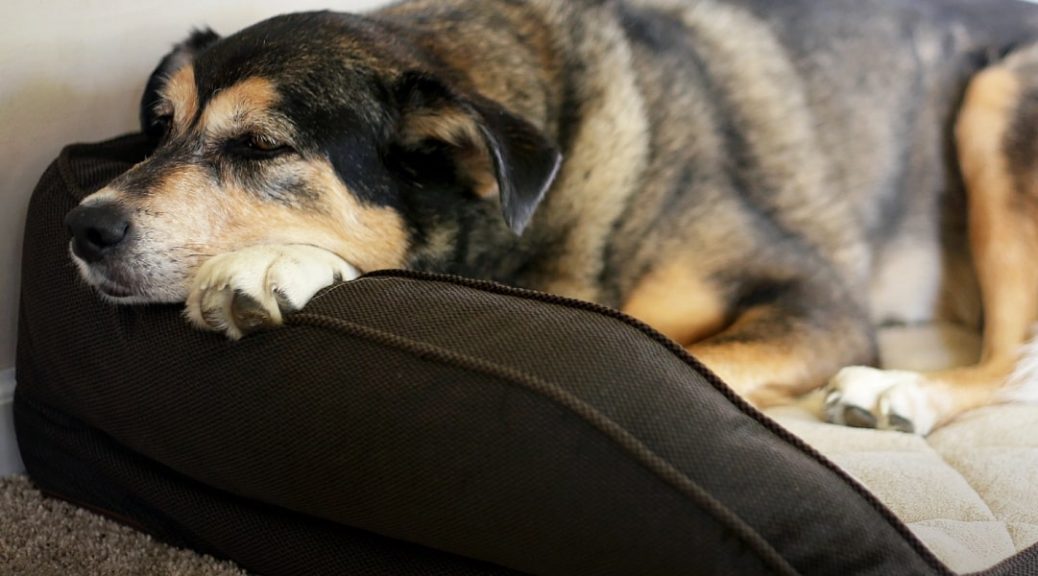
Senior Pet Month

Just like us, our pets go through different life stages, and as they grow older, their needs begin to change. Senior Pet Month is a wonderful opportunity to celebrate the companionship our older pets bring while also focusing on how we can best support them in their later years.

Whether your dog is slowing down on walks or your cat is napping more than usual, ageing is a natural process. However, changes can sometimes creep in gradually, and what may seem like just getting old could in fact be a sign of an underlying health issue. That’s why regular check-ups are so important.


When is a pet considered ‘senior’?

This varies by species and breed, but generally:

Cats are considered senior from 11 to 14 years old, and ‘super senior’ when they’re 15 years and older.

Most dogs are considered senior around 8 years old, but larger dog breeds may enter their senior years a little earlier, around 6 years old, while smaller dog breeds may enter their senior years at around 10 years old.

While they may still seem fit and well on the outside, there can be changes happening internally, from the kidneys to the joints, which could benefit from early detection and support.


Signs to watch out for

Some of the most common signs that your pet may be entering their senior years include:

  • Stiffness or slowing down, especially stiff joints after rest
  • Weight changes, either gain or loss
  • Changes in appetite or thirst
  • Lumps and bumps that weren’t there before
  • Behavioural changes, such as confusion or restlessness
  • Increased sleeping or changes in sleeping patterns

If you’ve noticed any of these changes, it doesn’t necessarily mean something is wrong, but it’s always worth checking in with your trusted veterinarian, so they can rule out any concerns.


Supporting your senior pet

As pets get older, there are plenty of things that can be done to help them stay happy and comfortable:

  • Routine health checks: Health checks are essential to monitor any changes early and tailor care to your pet’s needs. Early detection of problems often means a better response to treatment.
  • Nutritional support: Senior pets may benefit from diets that support joint health, digestion, and cognitive function.
  • Comfort at home: Providing softer or even orthopaedic bedding, non-slip flooring, and easy access to food, water, and the garden can make a big difference.
  • Exercise: It’s essential to keep your pet exercising, but you may need to adjust to their needs, such as making walks shorter or including more breaks.
  • Pain management: Conditions such as arthritis are common in older pets. If your pet seems stiff or reluctant to move, discuss treatment options with your veterinarian.

Senior pets still have so much love to give. With the right care and support, they can enjoy their golden years with vitality and comfort. Whether it’s a health check-up or adjusting your home and exercise to better suit their needs, there’s a lot you can do to help them thrive throughout their golden years.

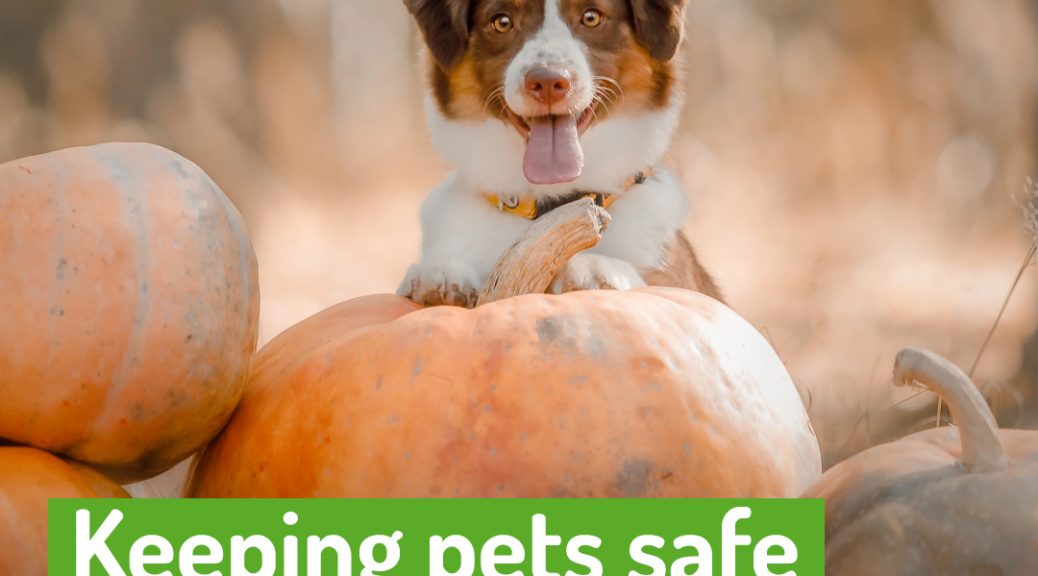
Keeping pets safe during spooky season

As Halloween becomes increasingly popular across the UK, more of us are joining in the seasonal festivities, from trick-or-treating to dressing up and decorating our homes. While it’s a fun time for families, Halloween can bring a range of hidden dangers for pets. By understanding what to look out for, we can ensure our furry companions stay safe and stress-free.

Chocolate and sweets

Chocolate is one of the most well-known toxins for pets, especially for dogs. Even small amounts can cause vomiting, diarrhoea, restlessness, or more serious symptoms such as tremors and seizures.
Sweets containing xylitol (a sugar substitute) are also extremely toxic and can cause a dangerous drop in blood sugar or liver failure.
Make sure all treats are kept well out of reach, and be mindful that young children might want to share their sweets and chocolate with their pets without realising the risks.
If you suspect your pet has eaten chocolate or sweets, please get in touch with your vet straight away.

Costumes

While some pets don’t mind being dressed up, many find it uncomfortable or stressful.
If your pet is comfortable wearing a costume, make sure it doesn’t restrict movement, vision or breathing and that it doesn’t have any parts that can be chewed off and swallowed. Keep an eye on your pet and remove the costume immediately at any signs of distress.

Decorations

Halloween decorations can be exciting for us, but confusing or even frightening for pets. Flashing lights, noisy props, and unfamiliar scents can cause stress and anxiety. Decorations like strings of lights or plastic ornaments can also pose choking or entanglement risks if chewed.
Candles and open flames are particularly dangerous, since curious pets can easily knock them over or burn themselves. If you’re creating a spooky atmosphere, consider battery-operated alternatives instead.

Visitors

The frequent knocks on the door, ringing of the bell, and unfamiliar visitors in costumes can be overwhelming for some pets, especially those who are naturally nervous. Dogs may bark or become defensive, while cats may hide or try to escape.
Try to keep pets in a quiet and secure room away from the front door during trick-or-treating times. Calming diffusers and their favourite toys can also help ease anxiety.

Escape risks

With doors constantly opening for visitors, there’s an increased risk of pets slipping out unnoticed, which is why keeping them in a separate room is a good idea to prevent accidental escapes.
It’s always important to ensure your pet is microchipped and that your contact details are up to date.

Halloween is meant to be fun, and with a few simple precautions it can be safe for pets, too. Keep treats out of reach, avoid costumes unless your pet is truly comfortable wearing them and create a calm space for them away from the hustle and bustle of the evening.

If you’re worried your pet has eaten something harmful or is struggling with the seasonal stress, get in touch with your trusted vet.

How to protect dogs from grass seeds

Grass seeds are the seed heads of various types of grass, commonly found during the summer months, particularly in areas with tall grass, meadows, and woodland. While they may appear harmless, they can pose a serious risk to dogs.

These tiny, barbed seeds are spread easily, which means that they can often become lodged in your dog’s fur, ears, eyes, or between their toes. In addition, their pointed shape allows them to penetrate the skin and, in some cases, migrate further through the body. This can lead to painful infections, abscesses and, in more severe cases, internal damage if the seed travels to areas such as the chest or abdomen.

Dogs with long or thick coats, such as Golden Retrievers, Spaniels and Bernese Mountain Dogs, are especially vulnerable due to the way grass seeds can easily catch and hide in their fur.

What’s the big issue with grass seeds?

Grass seeds may be small, but they can cause significant problems once they become embedded in your dog’s body. Certain areas of the body are particularly vulnerable, and knowing the signs to watch out for can help you act quickly.

The ears are one of the most common places for grass seeds to get lodged, especially in dogs with floppy ears such as Spaniels or Hounds. If a seed makes its way into the ear canal, your dog may shake their head repeatedly, paw at their ears, or rub their head against the floor or furniture. You might also notice an ear discharge and an unpleasant smell.

Grass seeds can also find their way into the eyes, often becoming trapped under the eyelids. This can be extremely uncomfortable, leading to redness, swelling, discharge, and frequent pawing at the face.

Another common entry point is the skin, particularly in sensitive areas like between the toes. If your dog is persistently licking a paw, limping, or has a swelling between the toes, a grass seed could be the culprit.

In some cases, dogs may inhale a grass seed while sniffing around. When this happens, you may notice frequent sneezing, pawing at the nose, or a runny discharge. Occasionally, seeds can migrate deeper into the respiratory system and lead to more serious issues.

Finally, though less common, a dog may swallow a grass seed while grooming or chewing on grass. If ingested, the seed could potentially cause irritation or complications in the mouth, throat, or even further along the digestive tract.

How are grass seed injuries treated?

If you notice a grass seed sitting on your dog’s coat or resting on the surface of their skin, and it hasn’t broken through, you can gently remove it yourself. It’s important to act quickly, to prevent seeds from burrowing in, so make sure to check your dog after a walk through tall grass.

However, if the seed has pierced the skin or is lodged in sensitive areas such as the eyes or ears, please get in touch with your vet. Attempting to remove it at home may risk pushing it deeper or causing further damage.

At the vets, in straightforward cases, the grass seed can be removed with tweezers. But once a seed has entered the body, whether under the skin, inhaled into the nasal cavity, or lodged deeper in the ears, things can become more complicated.

Grass seeds don’t show up on standard X-rays, which can make locating them a challenge. In these cases, more advanced imaging or procedures like an endoscopy may be needed to find and safely remove the seed, depending on its location.

Surgery might also be required if the seed has travelled deeper into the body or caused an infection or abscess.

How can you keep your dog protected from grass seeds?

While it’s virtually impossible to avoid grass seeds entirely during the summer months, there are a few simple steps you can take to reduce the risk of problems:

  • Regular grooming is especially important for dogs with longer coats, as keeping the fur well-trimmed can make it harder for grass seeds to latch on and go unnoticed. Trimming the fur on the inside of the ear flaps is a good idea in dogs with floppy ears.
  • After every walk, especially in areas with tall grass or meadows, take a few minutes to check your dog over, paying close attention to most vulnerable areas. A quick inspection can help you spot any seeds before they cause trouble.
  • If your dog has long hair around their feet or ears, it’s worth avoiding areas with dense or overgrown grass where seeds are more likely to be present.

And if you’re ever unsure or notice anything unusual (from head shaking to limping) don’t hesitate to get in touch with your vets.

Conclusion

Grass seeds may be tiny, but they can cause big problems for your dog, particularly during the warmer months when outdoor adventures are at their peak.

By staying vigilant, keeping up with regular grooming, and checking your dog after walks, you can catch any issues early and help prevent more serious complications.

If you suspect your dog has a grass seed injury or you’re unsure what to look for, don’t wait for symptoms to worsen, seek veterinary help straightaway.

Lungworm!

Lungworm (Angiostrongylus vasorum) and its dangers

It can be so easy to hear and yet not hear, ‘have you wormed your dog against lungworm?’ Yet another parasite that it almost becomes boring. In this article, we aim to briefly cover why it would be worth considering adding protection against this parasite to your regular preventative healthcare routine.

What are the actual dangers?

Lungworm (Angiostrongylus vasorum) is a widespread parasite that is increasingly recognised as a cause of illness in dogs. (Debra Bourne, 2020.) It can cause problems affecting the heart, the lungs and blood coagulopathies (uncontrollable bleeding). These can range from mild to severe illness for your dog.

Whilst there are treatments available, the easiest method is to prevent your dog from contracting the parasite in the first place. However, it’s worth having a brief look at how it’s transmitted and how it can affect the body.

How is it transferred?

Snails and, more importantly, slugs are the most prominent intermediate host due to the fact that they consume animal faeces. This is more prevalent in the Autumn months when the transmission rate is at its peak. Whilst there are certainly some dogs who are partial to the full ingestion of a slug, the more likely ingestion is accidentally chewing or licking grass that’s covered in slug or snail trails. It is also worth noting that they can also ingest the parasite when drinking from puddles contaminated with larvae. (Debra Bourne, 2020).

Lungworm used to be found in certain ‘hotspots’ in the UK, mainly the South of England and Wales, however, this has now spread throughout much of the UK. (Improve International, 2023).

How does it affect the body?

The parasite heads straight to the right side of the heart and pulmonary arteries. The eggs released from the adult female travel to the pulmonary capillaries where they hatch. This then allows them to break into the airway where they are coughed up and then swallowed. They are excreted in the faeces, and the cycle starts again. (Brennan SF, 2004).

What are the clinical signs?

Clinical infection tends to happen in younger animals, which could be due to their less discriminate eating habits. The clinical signs can be, and often are, extremely varied. However, excessive coughing, combined with an exercise intolerance, gagging, or issues with breathing are prominent. (Smith, 2022).

Bleeding disorders are also common. This may present as bleeding from the nose, bleeds in the eyes, coughing up blood, internal bleeding and post operative haemorrhage. It is not completely understood why the parasite affects the normal clotting ability.

Some mental (neurological) signs have been noticed in a small proportion of cases, ranging from mild issues to more serious ones, such as circling, paralysis, and even seizures. (Smith, 2022).

Diagnosis and Treatment

The diagnosis and treatment of Lungworm will always vary on the clinician’s decision following a physical examination. There isn’t a ‘one size fits all’ method, at the time of writing, if lungworm is suspected, a faecal test can confirm the presence of the parasite. Following confirmation, the treatment is the same as the preventative, the application of the spot on liquid (Smith, 2022). However, it is worth noting that by this point, the veterinarian will also be treating the clinical signs as well, which, depending on severity, will affect the success of the overall treatment.

Summary:

  • Lungworm can be prevented.
  • Lungworm can be ingested through slugs, snails, eating grass or drinking from puddles that those slugs have had contact with.
  • Symptoms can range from mild to severe.
  • Prevention is better than cure.

Conclusion:

Given that the application of lungworm preventative care is relatively straightforward, and considering that the difficulties in both preventing the ingestion of the parasite and subsequent treatment can be varied, surely it would be better to include it in your dog’s regular preventative health care regime if they are at higher risk?

Your vet will be able to advise you as to the risk in your area (as it varies), and the most suitable treatment to use. So have a chat with them!

References:

Brennan SF, McCarthy G, McAllister H, Bassett H, Jones BR. Clinical signs, diagnosis and treatment of three dogs with angiostrongylosis in Ireland. Ir Vet J. 2004 Feb 1;57(2):103-9. doi: 10.1186/2046-0481-57-2-103. PMID: 21851655; PMCID: PMC3113816.

Debra Bourne, Dr Hany Elsheikha, Robyn Farquhar, Jenny Helm, Eric Morgan, Iain Peters, Kit Sturgess, Andrew Torrance, and Ian Wright. Lungworm: A roundtable discussion Companion Animal 2020 25:2, 65-75

Improve International. Survey data shows dog owners don’t know the risks of lungworm, https://bvna.org.uk/blog/stay-alert-for-lungworm-by-lucy-smith/ accessed 12.05.25

Smith, Lucy. BVNA Stay alert for lungworm! https://bvna.org.uk/blog/stay-alert-for-lungworm-by-lucy-smith/n, accessed 12.05.25

Veterinary Nursing Awareness Month

Did you know that May is Veterinary Nurse Awareness Month? A chance to celebrate and draw attention to the wonderful nurses that help veterinary practices deliver essential care to your pets. Their role has diversified so much since 1961, when the RCVS approved the first Animal Nursing Auxiliary training program. 

Initially, their role was to support the veterinary surgeon, acting as additional helping hands with little clinical involvement. The title of veterinary nurse was first used in 1984, but it was only in 1991 that the Veterinary Surgeons Act was updated and amended to formally recognise the role of the nurse in law. 

A Registered Veterinary Nurse (RVN) is someone who has completed specific training, becoming either a degree or diploma holder. Not only this, but in order to be ‘registered’ within the Royal College of Veterinary Surgeons, every nurse has to comply with rigorous and continuous professional development, learning new skills and maintaining up-to-date knowledge. 

History lesson over, let’s take a look at what nurses can, and do, achieve these days. But first, take a moment to answer the following questions: 

Who do you think spends the most time with your pet when they are in the practice? 

Who are you most likely to speak to when contacting a practice to ask for advice? 

Who monitors your pet under anaesthetic during an operation? 

Who takes blood samples and can perform minor procedures? 

So, if you were thinking that the answer to all of those, given the subject of this blog, is an RVN, you would be correct! 

Let’s look at a typical day in the life of an operating RVN at a first opinion veterinary practice: 

They start the day by admitting patients. After going through the admission paperwork and obtaining owner consent, they make sure your pet is comfortable in their own kennel. Fluffy bedding, water and a cuddle is a must. 

They perform a basic health check – heart rate, breathing rate and temperature are the usual parameters as well as a weight-check – checking that all of your animals’ vital signs are within normal limits. 

They then take any samples that need testing prior to anaesthesia. Be this blood or urine, sometimes even faecal samples. They then run these tests in an in-house laboratory, or more extensive tests may be sent to an external lab. 

They have a discussion with the operating veterinary surgeon to decide on the type of drugs and amount to be used. All medicine is then prepared in advance making sure to allow for any eventuality. Following this, they administer a pre-medication in order to calm your pet down and prepare them for surgery. 

During this ‘sleepy’ period, they clip any fur necessary and clean the operating area. (Which is the main reason your pet smells different when they come home!) 

They then monitor the anaesthetic during the procedure, using specialist equipment to assist them. 

Following the procedure, they monitor your pet throughout their recovery to make sure that they wake up nicely and are comfortable. They also make sure to monitor any pain and address it accordingly. 

After your pet is up and around, they provide food (and for dogs a small walk outside), then call you to let you know how the surgery went and to arrange a collection time. 

They then prepare your pet’s discharge medication, information leaflets and remove any catheters or fluid lines. 

They greet you on your arrival, talk you through everything and make sure that both you and your animal are happy before sending you both home for a well-deserved rest. 

If your pet is needing to be hospitalised for a longer period of time, the role of the RVN changes slightly to include husbandry roles such as bed changing, grooming, walking outside (dogs only), feeding regularly and medicating as needed. 

In-patients are normally interacted with at least hourly, to make sure that your pet is receiving the help and support they need to get better. 

Other things nurses can also do is administer medications, or even perform blood transfusions, after being prescribed by a veterinary surgeon. 

In an emergency, a RVN can perform triage and sometimes ultrasound to assess  the patient and formulate an immediate plan. 

Who knew nurses could be quite so amazing? That’s why Veterinary Nursing Awareness Month is so important, so that you can see how much these superheroes without capes do behind the scenes. 

There is also a huge emotional toll these nurses take with them. They care for your pet as if it is their own. Often refusing lunch breaks in order to not move a well-rested head, sleeping on floors outside of kennels of critically ill patients to make sure they’re watched and cared for and, simply, not alone. It is often these hidden acts of kindness that go unrecognised. 

RVNs are so much more than they used to be. Much more than the Veterinary Surgeon’s assistant, they are skilled professionals, practicing medicine autonomously and under their own code of professional conduct, as well as being champion advocates for their patients, your pets.