
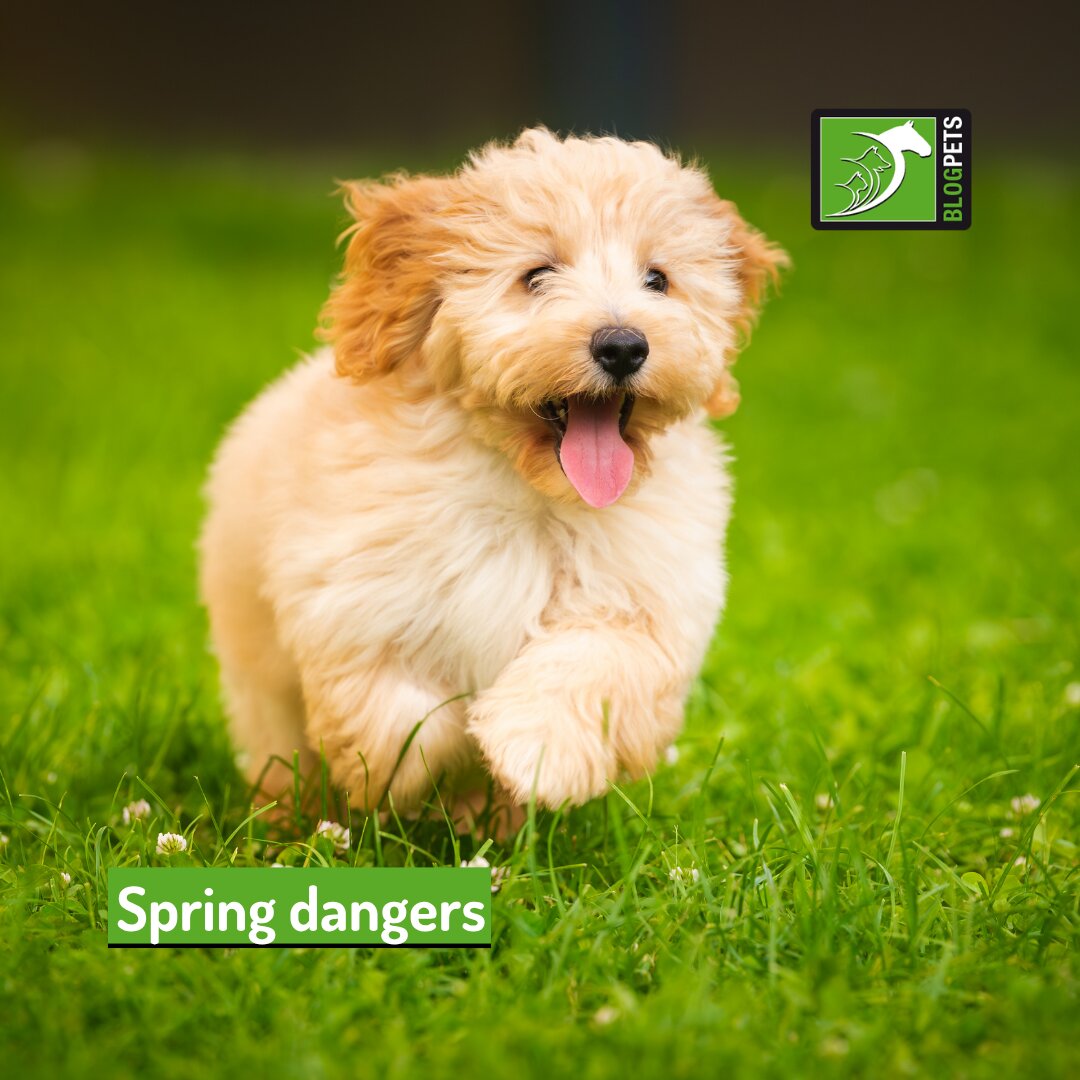
Spring dangers for pets: what every pet owner should watch for this season
Spring is a relief for most of us: longer days, warmer walks, open windows, and more time outside. But for pets, spring also brings seasonal risks. The good news is that most spring hazards are preventable once you know what to look for. Here are the biggest spring dangers for pets and simple steps you can take to keep your dog or cat safe.
1) Fleas and ticks
As temperatures rise, parasites become active again. Fleas and ticks can cause intense itching and transmit diseases.
What to do:
- Keep your pet on vet-recommended parasite prevention treatment consistently.
- Always check dogs for ticks after walks, especially around their ears, neck, armpits, and between toes.
- Don’t assume indoor pets are safe: fleas can hitchhike on clothing and other animals.
2) Seasonal allergies
Spring pollens can trigger allergies in susceptible dogs and cats, but symptoms often look different from how they are seen in people. Many pets show allergies through:
- Itchy skin
- Paw licking
- Regular ear infections
- Red eyes
If you notice ongoing itching or ear issues, talk to your vet early; waiting usually makes allergies harder to manage.
3) Toxic spring plants and flowers
Spring bouquets and planting can introduce toxic plants into your home and garden. Some of the most dangerous include:
- Lilies are especially dangerous for cats (even small exposures can cause kidney failure)
- Tulips and daffodils (bulbs are particularly toxic)
- Azaleas/rhododendrons
What to do:
- Research plants before bringing them home.
- Keep bouquets out of reach and clean up fallen petals.
If you suspect your pet chewed a plant, don’t “wait and see”. Call your vet or a pet poison helpline immediately.
4) Fertilisers, weed killers, and pesticides
Spring garden care is a major source of pet poisoning. Many fertilisers are irritating or toxic if ingested. Weed killers and pesticides can cause drooling, vomiting, tremors, or worse, depending on the product and exposure level.
What to do:
- Store lawn and garden products in locked cabinets.
- Keep pets off treated areas for the exact time recommended on the label (often longer than you’d expect).
- Consider pet-safe alternatives when possible.
5) Open windows and balconies
Fresh air is great, until it’s not. Spring often means open windows and balcony doors, which increases the risk of falls, especially for cats (and indoor cats can be surprisingly fast and curious).
What to do:
- Use secure window screens (and don’t assume they’re pet-proof).
- Keep balcony access supervised.
- Use nets on balconies and windows for extra safety.
6) Chocolate, xylitol, hot cross buns and leftovers
Outdoor gatherings bring new food hazards, such as:
- Chocolate, which is toxic for pets.
- Hot cross buns, which contain raisins; an ingredient that’s highly toxic even in small amounts.
- Sweet foods containing xylitol (also called birch sugar), found in some sugar-free gum, sweets, and baked goods; it can cause rapid drops in blood sugar and liver damage in dogs.
- Fatty leftovers can all cause serious problems.
Make sure you keep foods and rubbish out of reach from pets.
7) Bee stings and insect bites
More insects mean more stings. Most pets recover from minor stings, but some have severe allergic reactions, and stings inside the mouth (from snapping at bees) can cause dangerous swelling.
If your pet is stung, monitor for signs of:
- Swelling in the affected area
- Hives
- Vomiting
- Weakness
- Difficulty breathing
Call your vet for guidance; don’t give human medications unless a veterinarian specifically instructs you.
8) Increased outdoor time means increased escape risk
Spring means more door openings, more visitors, and more time in gardens. Pets that were calm indoors all winter can get bold when they smell new scents outside.
What to do:
- Check collars/harnesses for fit (pets often slim down or fluff up seasonally).
- Make sure ID tags are current, and microchip info is up to date.
- Practise recall and leash skills before heading to busy parks.
Spring should be a season of fun, not emergency vet visits. A few precautions now can keep your pet safer, healthier, and ready to enjoy the best parts of the season right alongside you.