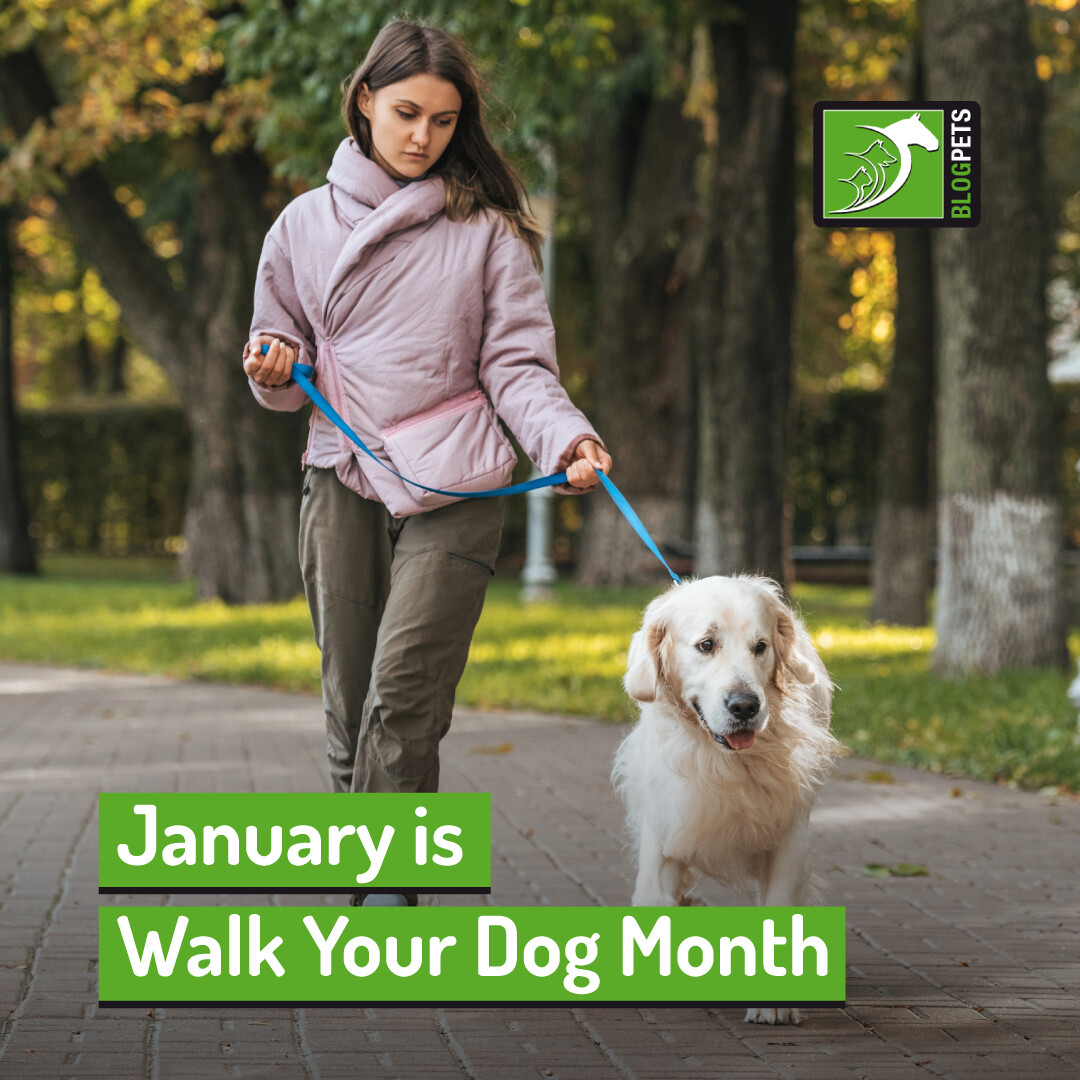
As the festive lights come down and the days feel a bit grey, January can seem like a slog. But for dog owners, it’s also ‘Walk Your Dog Month’, which is the perfect excuse to dust off the lead and turn those winter walks into something that you and your dog actually enjoy.
This is a great opportunity to reset your routine, boost your dog’s physical and mental wellbeing and get some fresh air for yourself as well. Here’s how to make January walks safer, more fun and rewarding for your pet.
Why winter walks matter
It’s easy to cut walks short in winter. It’s cold, it’s wet, it gets dark earlier… and the sofa is calling you! But regular walks are essential for your dog’s:
- Physical health: Keeping your dog moving helps maintain a healthy weight, supports joints and muscles, and reduces the risk of obesity-related health problems.
- Mental stimulation: New smells, sights and sounds turn the world into your dog’s personal puzzle game.
- Behaviour and training: Dogs that don’t get enough exercise and stimulation are more likely to develop unwanted behaviours like chewing, barking and hyperactivity.
Walk Your Dog Month can be beneficial for your wellbeing too. A 20 to 30-minute walk can boost your mood and help reduce stress.
How to stay safe in dark and cold days
January is all about mud, drizzle and early sunsets, so a little prep goes a long way:
- Use a reflective or LED collar/lead/harness so drivers and cyclists can easily spot your dog.
- Wear something bright or reflective yourself.
- Stick to well-lit routes, if possible, especially when near roads.
- Rinse and dry your dog’s paws after walks to remove road salt and grit, which can irritate the skin.
- Consider paw balm if your dog’s pads get dry or cracked.
- Short-haired or small breeds may benefit from a dog coat to help keep them warm and comfortable.
- On icy days, keep walks a little shorter, but up the mental stimulation with sniffing games or training.
If your dog is stopping, wanting to walk back home and shivering, it’s too cold for them and it’s time to head back to base.
Ideas to make January walks more fun
If you and your dog are both a bit bored of the “same loop round the block”, ‘Walk Your Dog Month’ is a great excuse to mix it up.
Try a new route once a week;
Aim to explore, at least, one new walking spot each week, such as a different park, a new woodland, or a new path along the canal or seafront. New places equal new smells and new sights, which will make your dog very happy.
Turn walks into sniffing adventures;
Dogs experience the world through their noses. Instead of just walking, try:
- Allowing sniff breaks and letting your dog linger on interesting scents.
- Hiding a few treats in the grass and letting your dog search for them.
- Using a long lead, where safe and allowed, so your dog can explore more freely while you stay in control.
Add some mini training sessions
Short, fun training bursts on walks keep your dog’s brain busy and strengthen your bond. Try:
- Practising sit, down, stay, recall and down in different locations.
- Working on loose-lead walking for a few minutes at a time.
- Playing “find it” by tossing a treat and letting your dog search for it on the ground.
Keep sessions upbeat and reward your dog generously.
How to be a responsible dog owner;
Being a responsible dog owner helps keep walks stress-free for everyone.
- Countryside and livestock: If you live in the countryside, be aware of livestock and make sure that you always keep your dog on a lead and near you.
- Poop bags: Always pick up after your dog and dispose of it properly, even in fields, parks and woodland.
A bit of courtesy goes a long way to keeping dog-friendly spaces welcoming.
When to speak to your vet
If your dog hasn’t exercised much recently, is older, overweight or has existing health conditions, it’s sensible to keep walks short and don’t overdo the exercise.
If you notice any of the following signs, get in touch with your vet:
- Limping or stiffness
- Heavy or prolonged panting
- Reluctance to walk or get up
- Struggling with stairs after exercise
Your vet can help you figure out what’s wrong with your dog.
Make every month ‘Walk Your Dog Month’
Use January as a reset button for you and your dog:
- Set a realistic daily walk goal (for example, one 30-minute walk, or two 20-minute walks, depending on you and your dog’s ability).
- Plan a weekly adventure walk somewhere a bit different.
By the time February rolls around, your ‘Walk Your Dog Month’ routine can simply become your new normal: resulting in a happier, healthier dog and a bit more joy in your day, even when the sun refuses to show up!